A gourmand perfume is a fragrance built around edible impressions — vanilla, caramel, praline, coffee, chocolate, marshmallow, honey and ripe fruit, composed the way a pastry kitchen composes a dessert. It is one of the youngest fragrance families and one of the most persuasive, because scent and appetite share the same wiring.
This guide explains what the term actually means, what gourmand fragrances smell like, the notes that define them, the amber, floral, fruity and airy styles within the family, how a gourmand differs from a merely sweet perfume, when to wear one, and how to choose the one that suits you.
What Is a Gourmand Perfume?
Gourmand Perfume Meaning
Gourmand is a fragrance family, in the same way amber, woody, floral and fresh are families. Its defining trait is that the composition reads as something edible: a dessert, a confection, a warm drink, a spice tin, a bowl of fruit.
The gourmand perfume meaning has stayed remarkably stable since the family was named in the early 1990s. Perfumers began treating kitchen materials — vanilla absolute, cocoa, coffee, caramelised sugar, almond — as serious raw materials rather than novelties, and an entire style followed.
What Makes a Fragrance “Gourmand”?
A gourmand is not simply a perfume that smells nice and sweet. What makes a fragrance gourmand is a deliberate edible reference: the accord is arranged so your mind names a food, not just a sensation.
That distinction matters. A rose can be honeyed and a musk can be sugary without either becoming a dessert. A gourmand puts the edible idea at the centre of the composition and builds the rest of the structure — the citrus opening, the floral heart, the woody base — around it.
What Does a Gourmand Perfume Smell Like?
Most gourmands share a sensory signature: creamy, warm, softly sweet and enveloping, with a texture closer to velvet than to glass. They tend to sit close to the skin at first and bloom as they warm, which is part of why they feel intimate.
Within that signature there is real range. A gourmand can be dense and confectionery, or airy and translucent; syrupy with caramel, or dry with roasted coffee and bitter cocoa; fruit-forward and effervescent, or powdery and almost floral. The family describes the reference, not the weight.
Common Gourmand Fragrance Notes
These are the materials that recur across the family. Learning to recognise them by name is the fastest way to shop gourmand fragrances with confidence, because they appear in note lists again and again.
Vanilla
Creamy · warm
The anchor of the family. Reads sweet and balsamic in richer builds, almost powdery and clean in lighter ones.
Caramel
Sweet · buttery
Cooked sugar with a faint burnt edge. Gives a composition weight and a lingering, sticky warmth.
Praline
Nutty · toasted
Sugared almond or hazelnut. Softer and more rounded than caramel, and a signature of modern gourmands.
Chocolate
Rich · bittersweet
Cocoa can lean dark and dry or milky and comforting, depending on what it is paired with.
Coffee
Roasted · bitter
The most effective counterweight to sugar in the family. Adds edge and keeps sweetness from collapsing.
Marshmallow
Airy · pillowy
Sugar rendered weightless. Often carried by musks, giving a soft, cotton-like sweetness.
Honey
Golden · animalic
Sweet with a waxy, slightly feral undertone that keeps a composition from reading childlike.
Tonka Bean
Almond · hay
Vanilla's more complex relative — almond, tobacco and cut hay in one material. The bridge to amber.
Coconut
Milky · sunlit
Lactonic and creamy. Pushes a gourmand toward warm-weather territory rather than winter.
Berries & Fruit
Juicy · bright
Raspberry, blackcurrant, peach, pear and apple lift the top and add sparkle above heavier bases.
The Main Types of Gourmand Perfumes
Gourmand is a wide family, and most fragrances in it belong to a recognisable sub-style. Knowing which one you gravitate toward narrows a hundred bottles down to a handful.
Amber Gourmand Perfumes
Amber gourmand perfumes pair edible notes with resins, benzoin, labdanum, tonka and warm spice. The result is deeper and more nocturnal than a straight dessert accord — sweetness with shadow behind it.
This is also where you will see the older trade term “oriental gourmand” or “perfume oriental gourmand” in note listings. It describes the same resinous, spiced, vanillic construction; amber is simply the current and more precise word for it.
Floral Gourmand Perfumes
Floral gourmand perfumes set a flower at the heart and let the edible material act as a base. Jasmine over vanilla, orange blossom over almond, rose over praline — the flower keeps the composition elegant while the sweetness makes it comforting.
These tend to be the most versatile gourmands, because the floral heart gives them a daylight register the denser styles do not have.
Fruity Gourmand Perfumes
Here the edible reference is fruit prepared rather than fruit picked: candied peach, raspberry coulis, baked apple, poached pear. The sweetness is bright and immediate, and the opening is usually the most extroverted part of the wear.
Floral Fruity Gourmand Perfumes
Floral fruity gourmand perfumes are the most popular construction in contemporary perfumery: juicy fruit on top, a soft floral heart, and vanilla, praline or musk beneath. They are approachable, easy to wear across seasons, and generally the safest first step into the family.
Fresh and Airy Gourmands
Not every gourmand is dense. Airy gourmands use white musk, coconut water, milky lactones, light citrus and transparent vanilla to suggest sweetness without syrup.
If you have previously found the family too heavy, this is the corner to explore. It carries the same comfort with a fraction of the weight.
Gourmand vs. Sweet Perfume: What’s the Difference?
Sweetness is a sensation; gourmand is a reference. Many fragrances taste sweet in the abstract — a sugared musk, a candied floral, a soft amber — without ever pointing at something you could eat.
A gourmand names the thing. It evokes dessert, confectionery, a beverage, a spice or a fruit preparation clearly enough that you could describe it in kitchen terms. That is the whole distinction, and it is worth holding onto while you read note lists, because a great many perfumes marketed as gourmand are simply sweet.
Are Gourmand Perfumes Only for Women?
No. Gourmand is a style of composition, not a gender. The association exists because much of the family's commercial marketing has been directed at women, not because the materials belong to anyone in particular.
Coffee, cocoa, tobacco, rum, tonka and roasted nuts appear throughout masculine and shared perfumery, often in fragrances never labelled gourmand at all. Wear what reads well on you, and treat any gendered shelf label as a merchandising decision rather than a rule.
When Should You Wear a Gourmand Fragrance?
Fall and Winter
Cold air suppresses projection, which is exactly what rich gourmands are built to overcome. Amber, praline, coffee and chocolate compositions are at their best here, and layer well under wool.
Spring and Summer
Heat amplifies sweetness, so scale down rather than out. Fruity, floral, coconut and airy musk gourmands stay pleasant in warm weather where a dense amber would turn cloying.
Date Nights and Evenings
Gourmands read as intimate because they sit near the skin and reward proximity. A warm vanilla or praline is a natural evening choice — apply lightly and let it develop rather than over-spraying at the outset.
Everyday Wear
For daily rotation, look for lower sweetness and a clean base. One or two sprays of an airy or floral gourmand is comfortable in an office or a classroom; a dense amber gourmand at full strength usually is not.
Do Gourmand Perfumes Last a Long Time?
Often, but not because they are gourmand. Longevity comes from concentration, the weight of the base materials, the quality of the formulation and your own skin chemistry.
Gourmands do tend to perform well because vanilla, tonka, resins and musks are naturally long-lasting base notes. A light fruity gourmand in a low concentration can still fade in a few hours, while an extrait built on amber and praline may last a full day.
Application matters as much as the bottle. Moisturised skin holds fragrance longer, pulse points warm and diffuse it, and fabric holds a trace far longer than skin does.
How to Choose a Gourmand Perfume
If You Love Vanilla and Creamy Scents
Look for vanilla, tonka, coconut, sandalwood and milky lactones near the base of the note list. These wear soft and rounded, and are the most forgiving place to start.
If You Prefer Fruity and Playful Scents
Seek raspberry, peach, pear, blackcurrant or candied apple in the opening, held together by musk or light vanilla. Expect a vivid first hour and a quieter, cleaner drydown.
If You Want Something Darker and Richer
Coffee, cocoa, rum, tobacco, patchouli and amber resins give a gourmand depth and a slightly bitter edge. These project more, so apply with restraint.
If You Want Something Less Sweet
Choose compositions where the edible note is supported by something dry — white musk, salt, iris, cedar, or a citrus top. The gourmand character stays legible while the sugar recedes.
Gourmand Fragrances to Discover at Cynosure
A short editor's list from the current collection — chosen because their profiles genuinely belong in this conversation, not because they happen to smell sweet.
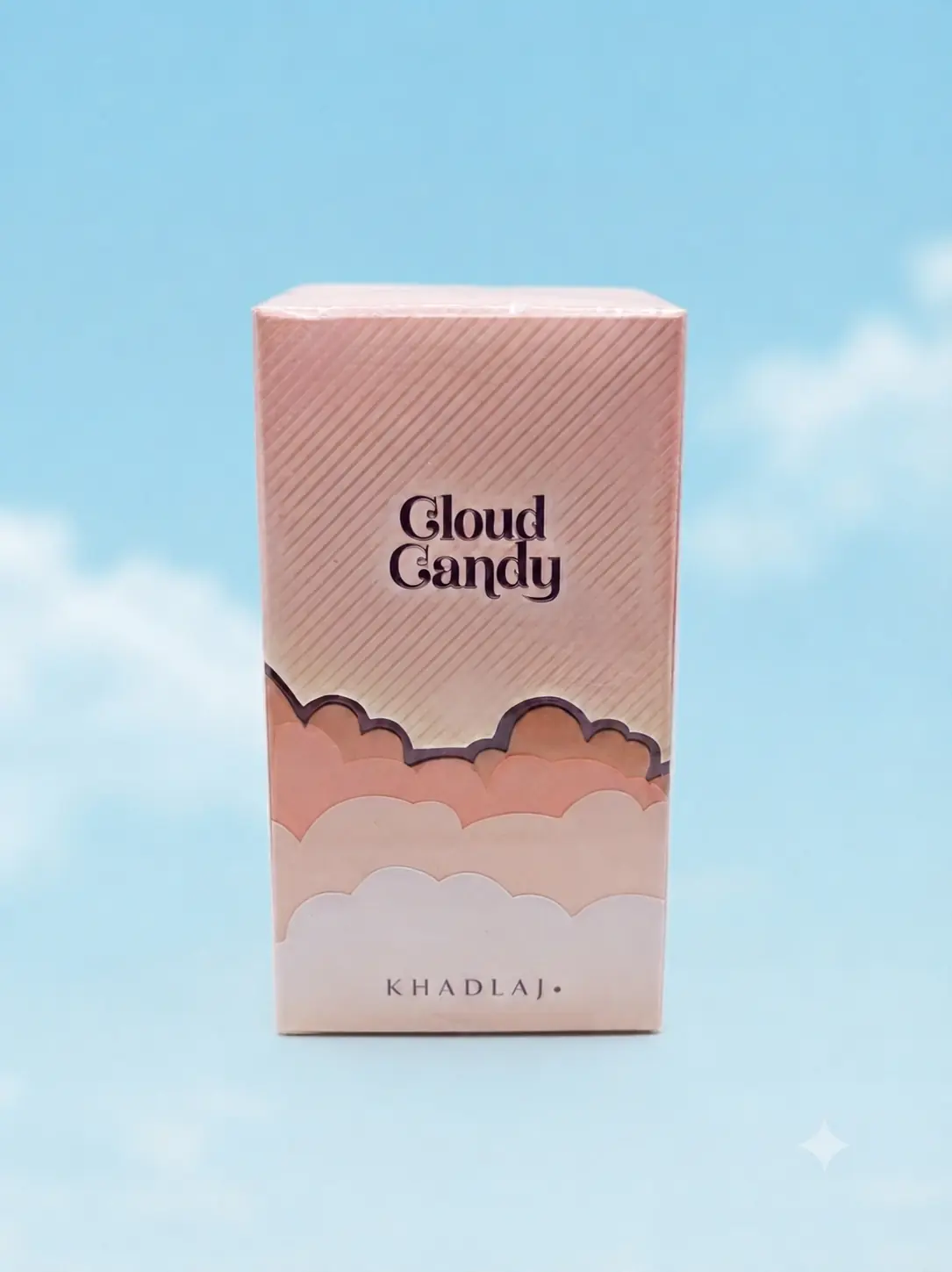
Khadlaj
Khadlaj Cloud Candy
$28.00
The clearest confectionery gourmand in the collection — a candied, marshmallow-soft accord that states the family outright.
- Notes
- Candied fruit, marshmallow, vanilla musk
- Best for
- A first gourmand, and warm-weather wear
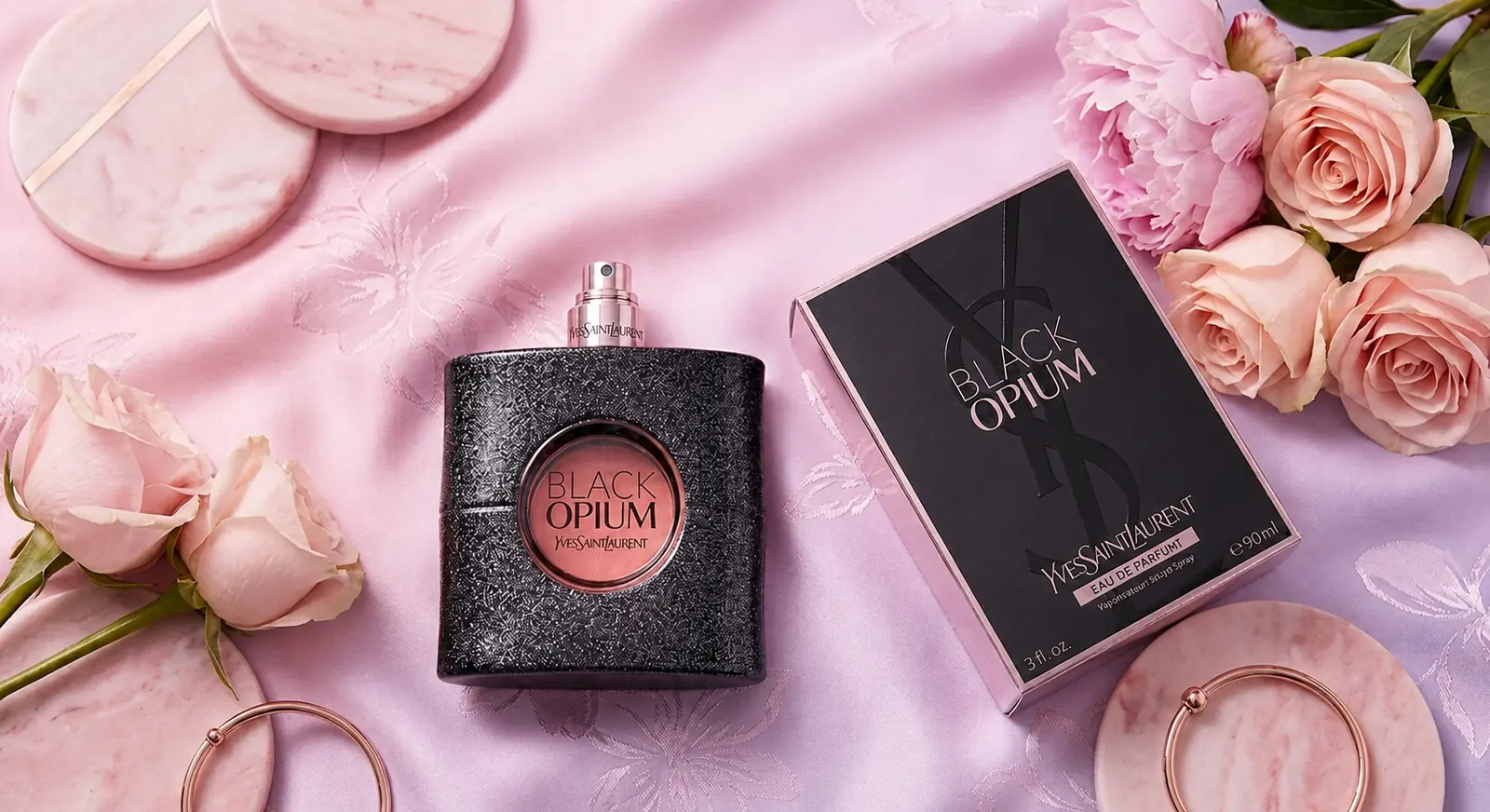
Yves Saint Laurent
Yves Saint Laurent Black Opium Eau de Parfum Spray
$96.00
The reference point for the coffee gourmand: roasted bitterness against vanilla, which keeps the sweetness structured rather than sugary.
- Notes
- Coffee, vanilla, white florals
- Best for
- Evenings and cold weather
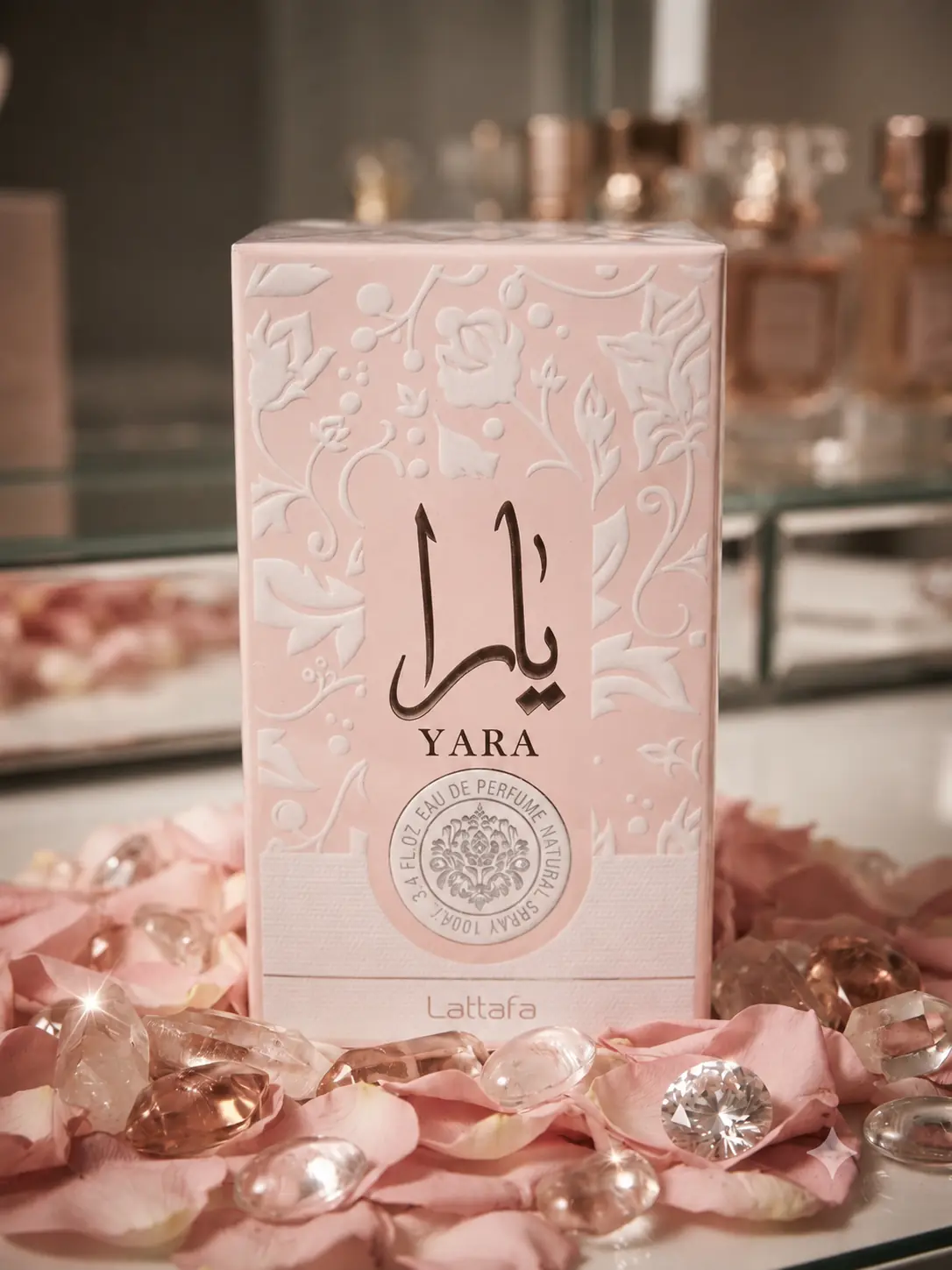
Lattafa
Lattafa Yara Eau de Parfum Spray
$16.00
A creamy floral gourmand where orchid and heliotrope sit over vanilla and sandalwood — sweetness with a powdery, elegant finish.
- Notes
- Orchid, heliotrope, vanilla, sandalwood
- Best for
- Everyday wear and layering
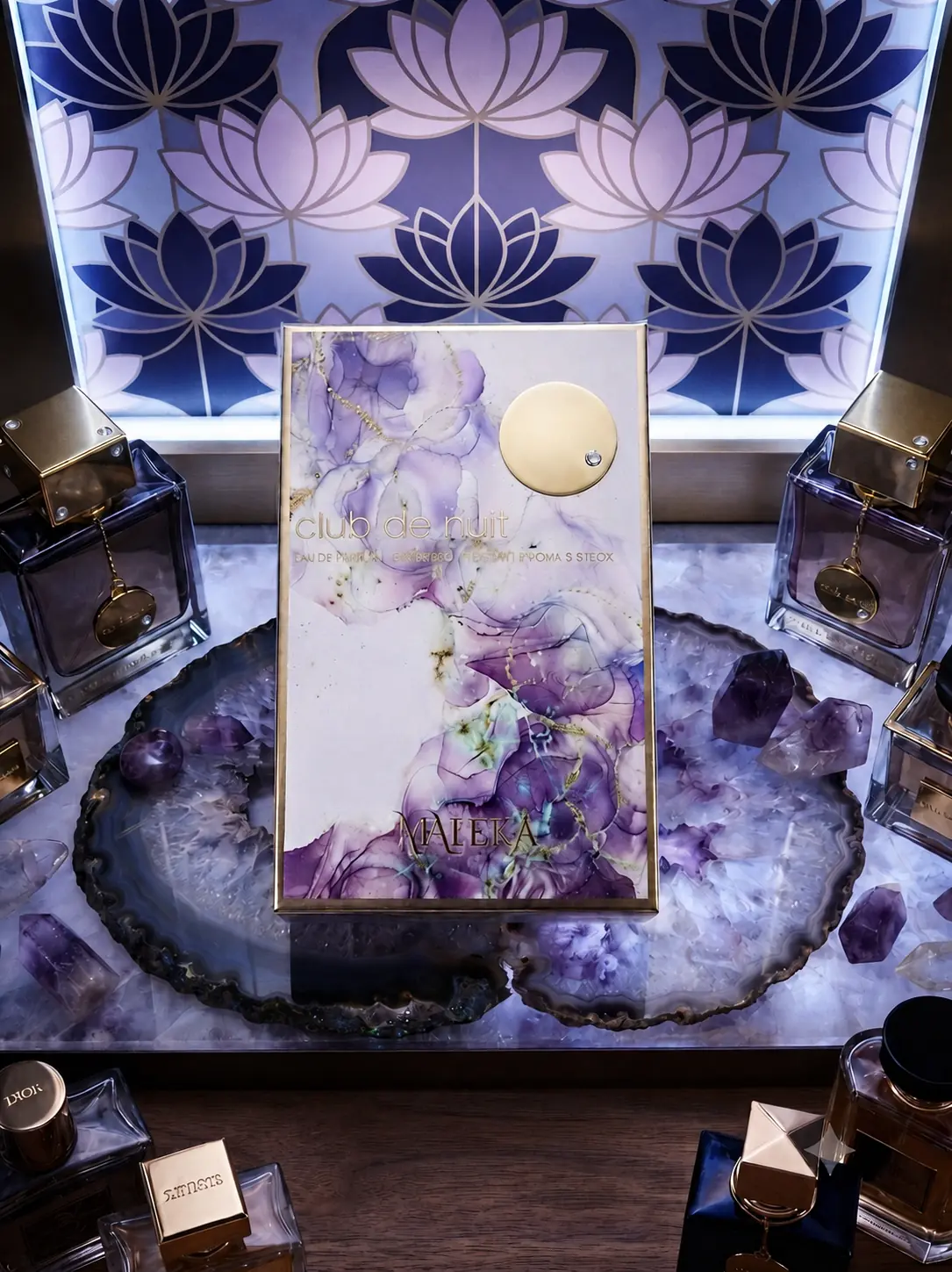
Armaf
Armaf Club de Nuit Maleka
$42.00
The amber gourmand position: fruit and florals resolving into vanilla, amber and musk with real depth beneath.
- Notes
- Berries, jasmine, amber, vanilla
- Best for
- Occasions and colder months
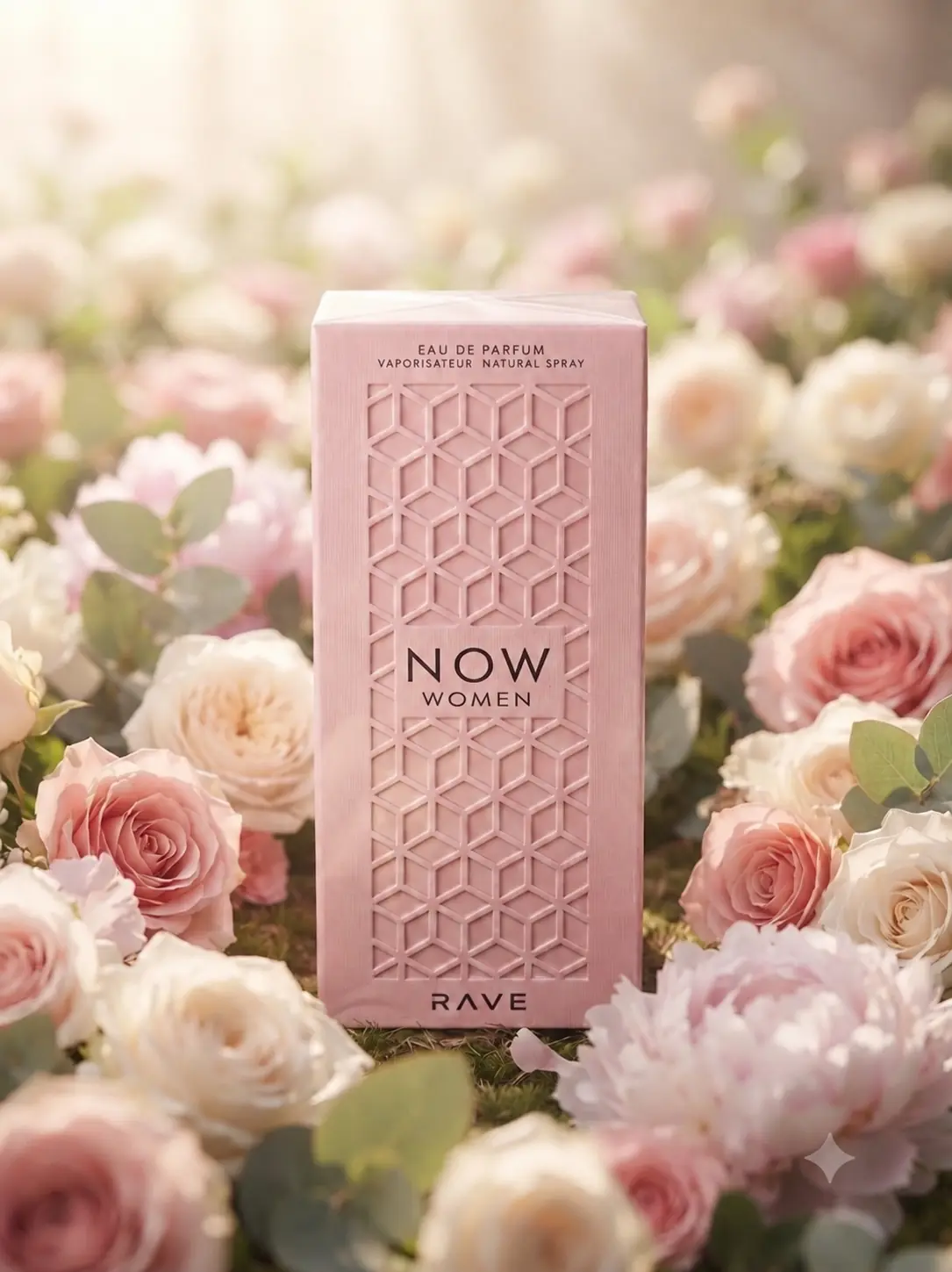
Rave
Rave Now Women
$34.00
A fruity gourmand with a bright, effervescent opening and a soft sweet base — the playful end of the family.
- Notes
- Red fruits, floral heart, sweet musk
- Best for
- Daytime and spring
Frequently Asked Questions About Gourmand Perfume
What is a gourmand perfume?
- A gourmand perfume is a fragrance built around edible impressions — vanilla, caramel, praline, chocolate, coffee, honey or fruit — arranged so the composition evokes something you could eat rather than simply smelling sweet.
What are examples of gourmand fragrance notes?
- Vanilla, caramel, praline, chocolate, coffee, marshmallow, honey, tonka bean, coconut, almond and candied fruits such as raspberry, peach and pear are the most common gourmand notes.
Is vanilla always a gourmand note?
- No. Vanilla is used across almost every fragrance family. It reads as gourmand when it is treated as a dessert material — paired with sugar, cream, praline or cocoa — and simply as a warm base note when it sits under woods, resins or florals.
Are gourmand perfumes always sweet?
- They are usually sweet to some degree, but not always heavily so. Coffee, cocoa, salt, iris and dry woods are frequently used to offset sugar, and airy gourmands built on musk and light vanilla can read closer to clean than to dessert.
Can men wear gourmand fragrances?
- Yes. Gourmand describes a style of composition, not a gender. Coffee, tobacco, rum, cocoa and tonka appear throughout masculine and shared perfumery.
Are gourmand perfumes good for summer?
- Lighter ones are. Fruity, coconut, floral and airy musk gourmands wear comfortably in heat, while dense amber and caramel compositions can become overwhelming in high temperatures.
What is the difference between gourmand and amber perfume?
- An amber fragrance is built on resins, balsams and warm spice. A gourmand is built on an edible reference. The two overlap constantly — an amber gourmand uses resinous warmth as the setting for vanilla, praline or tonka.